


How Early Childhood Education Shapes a Child’s Future
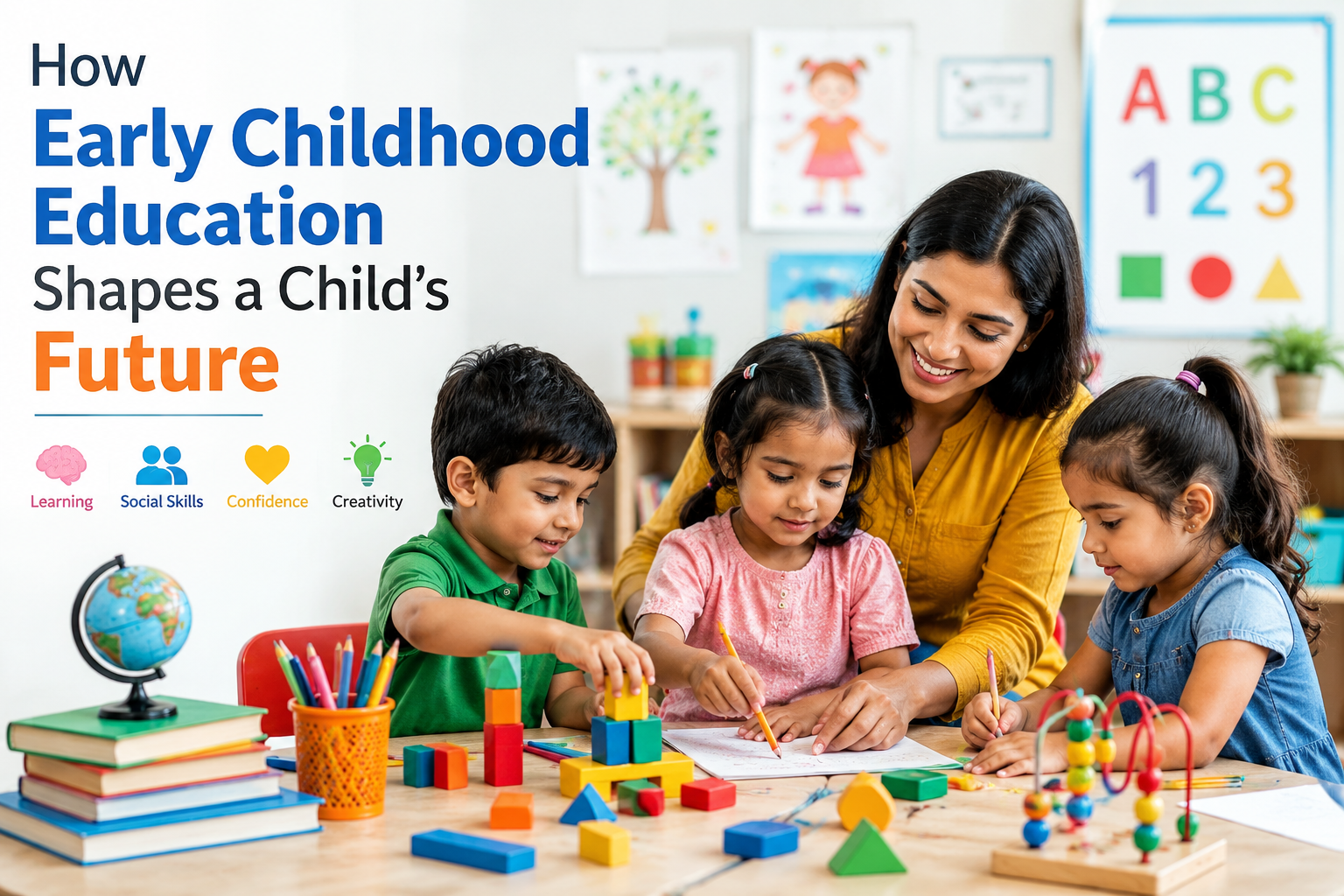
The early years of a child’s life are among the most important stages of development. During this period, children learn rapidly, absorb new experiences, and develop the skills that influence their future education and overall well-being. Early childhood education provides the right environment for children to explore, learn, and grow in ways that support their intellectual, emotional, social, and physical development.
Many people associate preschool with learning the alphabet, numbers, and colors. While these are important milestones, early childhood education goes far beyond academics. It focuses on nurturing curiosity, building confidence, encouraging creativity, and helping children develop the ability to think independently. These qualities become the foundation for lifelong learning and personal success.
Why Early Childhood Education Matters
The first few years of life are often referred to as the foundation years because a child’s brain develops at an extraordinary pace during this time. Every interaction, activity, and experience contributes to how children understand the world around them. Positive learning experiences help strengthen cognitive abilities, language development, emotional regulation, and social skills.
A high-quality early education program introduces children to structured learning in a fun and engaging way. Instead of relying solely on memorization, children learn through exploration, storytelling, conversations, creative activities, and guided play. This approach helps them develop a genuine interest in learning while improving their ability to solve problems and think critically.
Building Cognitive and Language Skills
Children are naturally curious. They constantly ask questions, observe their surroundings, and experiment with new ideas. Early childhood education encourages this curiosity by creating opportunities for children to explore different concepts through hands-on experiences.
Activities such as storytelling, puzzles, building blocks, singing, and interactive games help improve memory, concentration, and reasoning abilities. These experiences also strengthen vocabulary and communication skills, making it easier for children to express their thoughts and understand others.
Strong language development during the early years plays a significant role in future academic success. Children who are encouraged to communicate confidently often develop better reading and writing skills as they progress through school.
Learning Social and Emotional Skills
Academic knowledge is only one part of a child’s development. Equally important are the social and emotional skills that help children build relationships, manage emotions, and adapt to different situations.
In an early learning environment, children interact with classmates, participate in group activities, and learn to share, cooperate, and solve simple conflicts. These daily experiences teach empathy, patience, respect, and teamwork.
As children gain confidence in expressing their feelings and communicating with others, they become more comfortable participating in classroom discussions and social activities. Emotional security during the early years also contributes to greater resilience when facing new challenges later in life.
The Importance of Learning Through Play
Play is one of the most effective teaching methods for young children. It allows them to discover new ideas naturally while enjoying the learning process. Whether they are building structures with blocks, pretending to run a shop, painting, or participating in outdoor games, children are developing valuable skills without feeling pressured.
Play-based learning encourages creativity, imagination, communication, and problem-solving. It also improves fine and gross motor skills through activities such as drawing, cutting, running, climbing, and balancing. These experiences support healthy physical development while keeping children actively engaged in learning.
Research has consistently shown that children learn more effectively when they are actively involved in meaningful experiences rather than passive instruction. This is why many modern early education programs combine structured lessons with opportunities for exploration and creative play.
Developing Independence and Confidence
One of the greatest benefits of early childhood education is helping children become more independent. Simple daily routines such as organizing school materials, washing hands, making choices, and completing age-appropriate tasks encourage responsibility and self-confidence.
As children learn to accomplish small goals on their own, they begin to trust their abilities. This growing confidence motivates them to try new activities, ask questions, and participate actively in learning. Developing independence at an early age also helps children adjust more comfortably when they move into primary school.
Confidence built during these formative years often extends beyond academics. Children become more willing to interact with others, express their ideas, and overcome challenges without fear of failure.
Preparing for Lifelong Learning
Early childhood education is not simply about preparing children for the next grade. It is about preparing them for life. Children develop learning habits, curiosity, discipline, and resilience that continue to benefit them throughout their educational journey.
They learn how to follow routines, listen carefully, work with others, and approach new experiences with confidence. These habits become valuable as academic expectations increase in later years.
Children who receive quality early education are also more likely to develop a positive attitude toward school. Instead of viewing learning as a task, they begin to see it as an enjoyable and rewarding experience.
The Role of Parents in Early Development
Parents remain the most influential teachers in a child’s life. While schools provide structured learning opportunities, learning continues at home through everyday experiences. Reading together, encouraging conversations, answering questions, and allowing children to explore their interests all contribute to healthy development.
Creating a supportive home environment where children feel safe to learn, make mistakes, and express themselves strengthens the skills they develop in school. Consistent communication between parents and educators also helps ensure that children receive the guidance they need both inside and outside the classroom.
Small daily interactions often have a lasting impact on a child’s confidence, emotional well-being, and love for learning.
Conclusion
Early childhood education lays the foundation for a child’s future by nurturing intellectual growth, emotional well-being, social skills, and physical development during the most important years of life. Rather than focusing only on academic achievement, it helps children develop curiosity, confidence, creativity, and the ability to adapt to new experiences.
The lessons learned during early childhood influence how children think, communicate, build relationships, and approach challenges throughout their lives. By providing supportive learning environments and meaningful experiences, parents and educators can work together to help every child reach their full potential. Investing in quality early childhood education is one of the most valuable decisions that can shape a brighter and more successful future for every child.
